
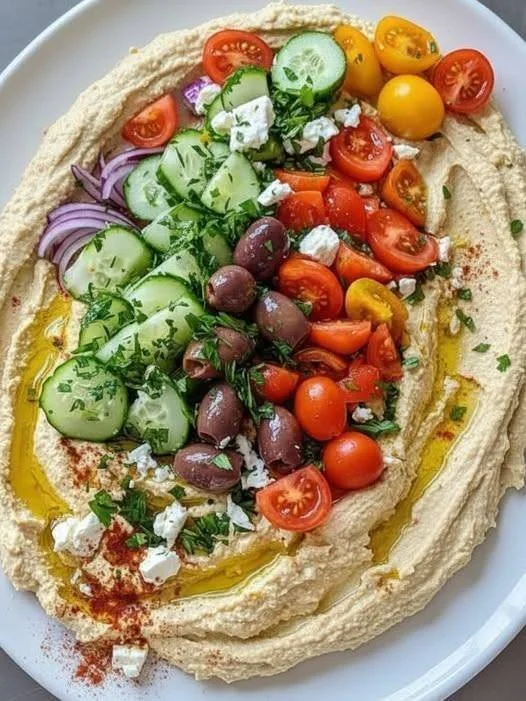
Beans are an incredibly nutrient-dense and affordable protein but many people don't know what to do with them beyond sugary baked beans. Below are three variations of hummus and 6 tips for incorporating beans into your everyday meals.
Per half cup, most beans contain around 5 grams of fiber and 6 grams of protein. That's a lot of nutrition for a small amount of food which is why beans should be included in your pattern of eating.
If you're new to beans, go slowly! This gives your gut a chance to acclimate to them. Eating too many beans too fast can cause bloat, gas or stomach upset.
What's the best bean? Answer: the one that gets into your stomach. Dried and cooked, canned or frozen, choose the bean that works with your taste, time, culture and budget. One bean is not superior to another.
Classic Homemade Hummus with Variations
1 can garbanzo beans or cannellini beans (drained and rinsed and rinsed and rinsed and rinsed)
1/4 cup tahini (optional) sesame seed paste found in the Middle Eastern or kosher section of major grocery chains)
2 tbs cold water
3 cloves garlic
1/3 cup olive oil
1/3 cup lemon juice
Cumin, paprika and black pepper to taste
In a small bowl mix tahini, if using, and cold water to blend. Set aside. In a food processor or blender grind garbanzo beans. Add garlic, spices and tahini mixture and blend. With the motor running alternatively add lemon juice and oil. Correct for seasoning.
You can substitute canned lentils or black-eyed/field peas, too. Tahini is optional but it gives the hummus a superior flavor and texture.
Roasted Red Pepper Hummus
Roasting your own red, orange or yellow peppers and adding them to the hummus gives it a deep, smoky flavor and boosts the fiber and nutrient-density of the dip. You can also use jarred roasted red peppers, also known as pimientos.
Olive Tapenade Hummus
Adding some chopped Spanish, Greek or black olives to your hummus gives a boost of healthy plant fats and unique tang.
Dill Pickle Hummus
Add some chopped pickles or prepared dill relish and some of the juice from the jar instead of lemon juice to your hummus. Since the dill pickle juice will contain a lot of sodium, eliminate the salt when you make this.
6 Tips for Eating More Beans
1. Breakfast Taco Method: Sautee' onions and peppers, add drained and rinsed black, kidney or pinto beans and scramble a few eggs in with the vegetables and beans. Put this filling into high fiber, "keto" or "carb-smart" tortillas with at least 10 grams of fiber.
2. Lunch or Dinner Taco Method: Buy high fiber "keto" or "carb smart" soft flour tortillas with at least 10 g of fiber per tortilla. Sautee' a few the following: drained and rinsed black, pinto or kidney beans, cooked rice or quinoa, shredded rotisserie chicken, cooked ground turkey, cooked strips of fish, onion and garlic powder, chili powder and cumin. Top with guacamole, shredded cheese, pico, salsa, sour cream or shredded lettuce/cabbage. Each taco will measure in to roughly 20 grams of fiber.
3. Easy Soups and Chili with Canned Beans: For chili and bean soup, use canned beans and don't throw out the can juice which is full of bean starch that will thicken the soup. Start by sautéing onion and peppers in oil, add the entire can of beans, a can of diced tomatoes with water and spices like onion powder, garlic powder, chili powder and cumin. Allow to cook for 30 - 45 minutes. These leftover beans go great in a taco the next day (see above)
4. Add drained and rinsed garbanzo or cannellini beans to your favorite flavor of hummus. This will really ramp up the fiber and the protein of this snack. Eat the hummus with crackers or carrot medallions.
5. Chili Lime Roasted Chickpeas (recipe)
1 can chickpeas (garbanzo beans) rinsed and shelled (rub chickpeas in a kitchen towel to remove husks)
1 tablespoon olive oil
½ tablespoon each chili powder and cumin
Pinch salt
1-2 tablespoons lime juice
Mix all ingredients in a bowl and spread the chickpeas on a cookie sheet. Roast in a 400 degree oven for 40-45 minutes. Give them a shake and a turn every 15 minutes or so.
6. Swap animal proteins for beans in a restaurant-style bowl or a salad. Good beans for this are black beans, pinto beans, black-eyed peas, cannellini beans and garbanzo beans. They have adequate protein and ample fiber plus minerals and vitamins.